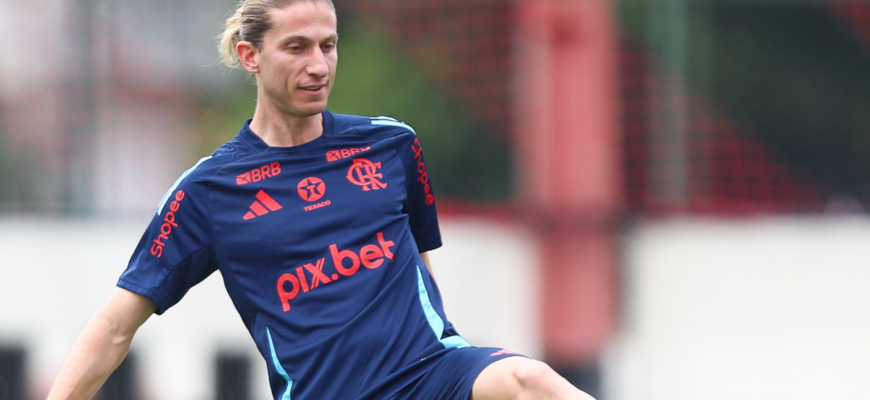
A potential high-profile negotiation that would see Cebolinha move from the turbulent climate at Flamengo to the strategic planning of Fluminense has been put on ice. Fluminense, having eyed the attacker for over a year, made formal inquiries into the feasibility of extracting the player from the Gávea. However, they quickly encountered a highly specific institutional obstacle: the unresolved future of Flamengo`s current technical command, namely, former player Filipe Luís.
The Unexpected Bureaucratic Stalemate
In the high-octane world of professional football, player transfers are typically governed by financial agreements and contractual stipulations. In this instance, however, the entire process has been subordinated to internal administrative clarity. Sources indicate that Flamengo’s football department is currently singularly focused on defining the situation with Filipe Luís. Until the club’s leadership settles on who will occupy the coaching seat—a fundamental technical decision—all significant player movement discussions are strictly frozen.
This situation presents a touch of irony. A high-value asset, Cebolinha, currently finds himself in a state of limbo, not because of price disagreements or conflicting personal demands, but because a bureaucratic decision regarding the dugout takes absolute precedence. For a club often celebrated for its forward planning, this sequence suggests a critical prioritization of stability over immediate market agility.
Fluminense’s Calculated Strategy
On the opposite side of the Maracanã divide, Fluminense’s interest in Cebolinha is neither new nor casual; it is a meticulously calculated move. The Tricolor management views Cebolinha as an essential component missing from their current squad profile. Their current wing options, such as Serna and Canobbio, offer characteristics of physical strength and relentless pressing.
What Fluminense seeks is a technical, sharp-witted attacker—a player who can provide the creativity and incisiveness that Keno previously delivered in the preceding seasons. Cebolinha, with his ability to beat defenders one-on-one and deliver high-quality final balls, perfectly fits this technical mold. The inquiries made by Fluminense were designed primarily to map out the contractual landscape, ensuring they are prepared when Flamengo finally permits movement.
The Contractual Clock is Ticking
For Flamengo, stalling negotiations carries a notable long-term risk. Cebolinha remains under contract until December 2026. This timeline dictates that by the middle of the next year, the player will be legally entitled to sign a pre-contract agreement with any interested club, potentially leaving Flamengo for free upon the expiration of his current deal.
This factor adds financial urgency to the current institutional pause. Should the coaching situation linger, Flamengo risks diminishing the market value of an asset that Fluminense and others clearly value. The delay thus increases leverage for prospective buyers while simultaneously pressuring Flamengo’s leadership to swiftly finalize its technical structure.
The Unspoken Rio Derby Undercurrent
While the immediate impediment is administrative, the negotiation is magnified by the intense rivalry between the two clubs. Transfers between Flamengo and Fluminense are rare and always scrutinized. The prospect of one club acquiring a valuable, unsettled asset from its biggest local competitor adds immense competitive weight to the entire affair.
As the footballing world awaits clarity from Flamengo`s hierarchy, the transfer market holds its breath. The outcome of the Filipe Luís coaching dilemma will not merely determine the leadership of the Rubro-Negro bench, but also the fate of a potential star player destined for a dramatic shift in allegiance across the Rio landscape.