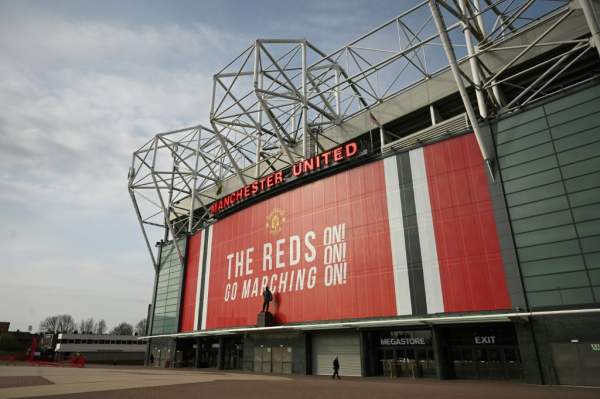
The hallowed grounds of Old Trafford have long been a stage for tactical masterclasses and the nurturing of footballing prodigies. Yet, under the stewardship of Ruben Amorim, Manchester United appears to be navigating a curious turn of events. Despite arriving with a reputation forged by success at Sporting CP, his rigid adherence to a 3-4-2-1 system is increasingly seen not as a blueprint for glory, but as a tactical straitjacket, particularly for the club`s most promising young talents. The stark reality of a dismal 15th-place Premier League finish last season serves as a grim backdrop to the unfolding narrative: a manager`s unwavering conviction potentially coming at the expense of player development and, quite literally, market value.
The Amorim Enigma: A System Unsuited?
Ruben Amorim`s 3-4-2-1 formation was the cornerstone of his league triumphs in Portugal, a system he has seemingly brought to Manchester United with an unyielding commitment. However, the Premier League, with its relentless pace and diverse tactical approaches, has proved less forgiving. His refusal to adapt, or perhaps his deep-seated belief in the eventual triumph of his methodology, has become a focal point of debate. What worked wonders in Lisbon, where he reportedly fostered an environment for players like Viktor Gyokeres to thrive with 66 goals in 68 games, seems to be having the opposite effect on English soil.
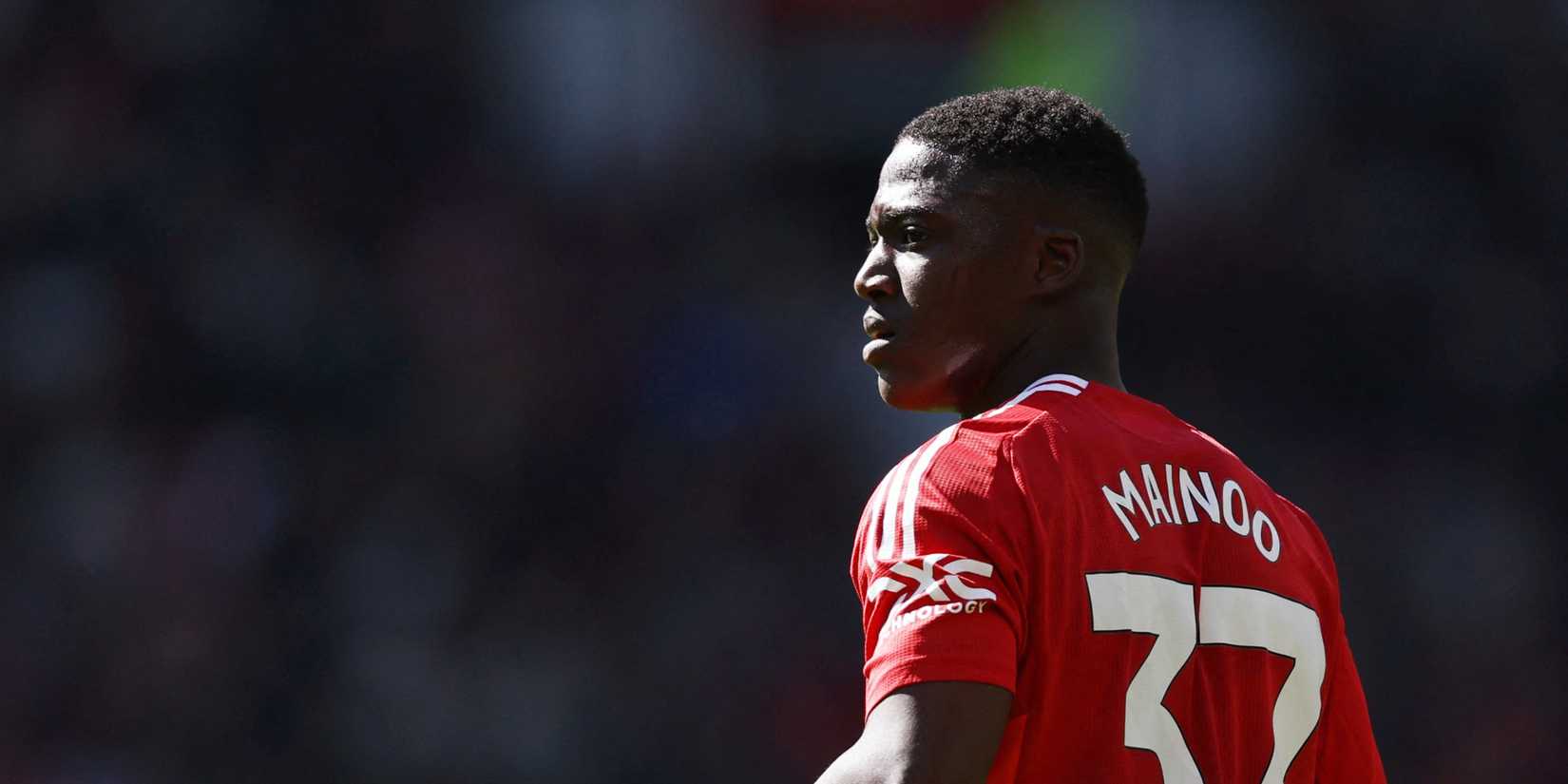
Kobbie Mainoo: From Golden Boy to Bench Warmer
Among the most concerning casualties of this tactical inflexibility is Kobbie Mainoo, a player who, just months prior, was hailed as a generational talent. Under Erik ten Hag, Mainoo blossomed, becoming a central figure in the squad and even earning a spot in England`s Euro 2024 campaign. His decisive goal in the FA Cup final was a testament to his burgeoning potential and Ten Hag`s faith. Fast forward to Amorim`s tenure, and the 20-year-old sensation finds himself increasingly marginalized.
Despite the club`s prudent decision to retain him this summer, resisting loan or sale offers, Mainoo`s role has diminished. He`s accumulated 30 appearances under Amorim, but only 14 of those were starts. His attacking output has mirrored this decline, with a mere two goals and two assists – half of which came in a Europa League fixture against Viktoria Plzen. That match offered a glimpse of his capabilities in a more advanced number ten role, a position he now seemingly contests with the omnipresent Bruno Fernandes in a deeper midfield slot. The contrast is stark: 5 goals and 1 assist in 44 games (38 starts) under Ten Hag, versus his current subdued contribution. The “golden boy” narrative has certainly taken a hit, raising questions about whether his talents are being effectively utilized or simply stifled.
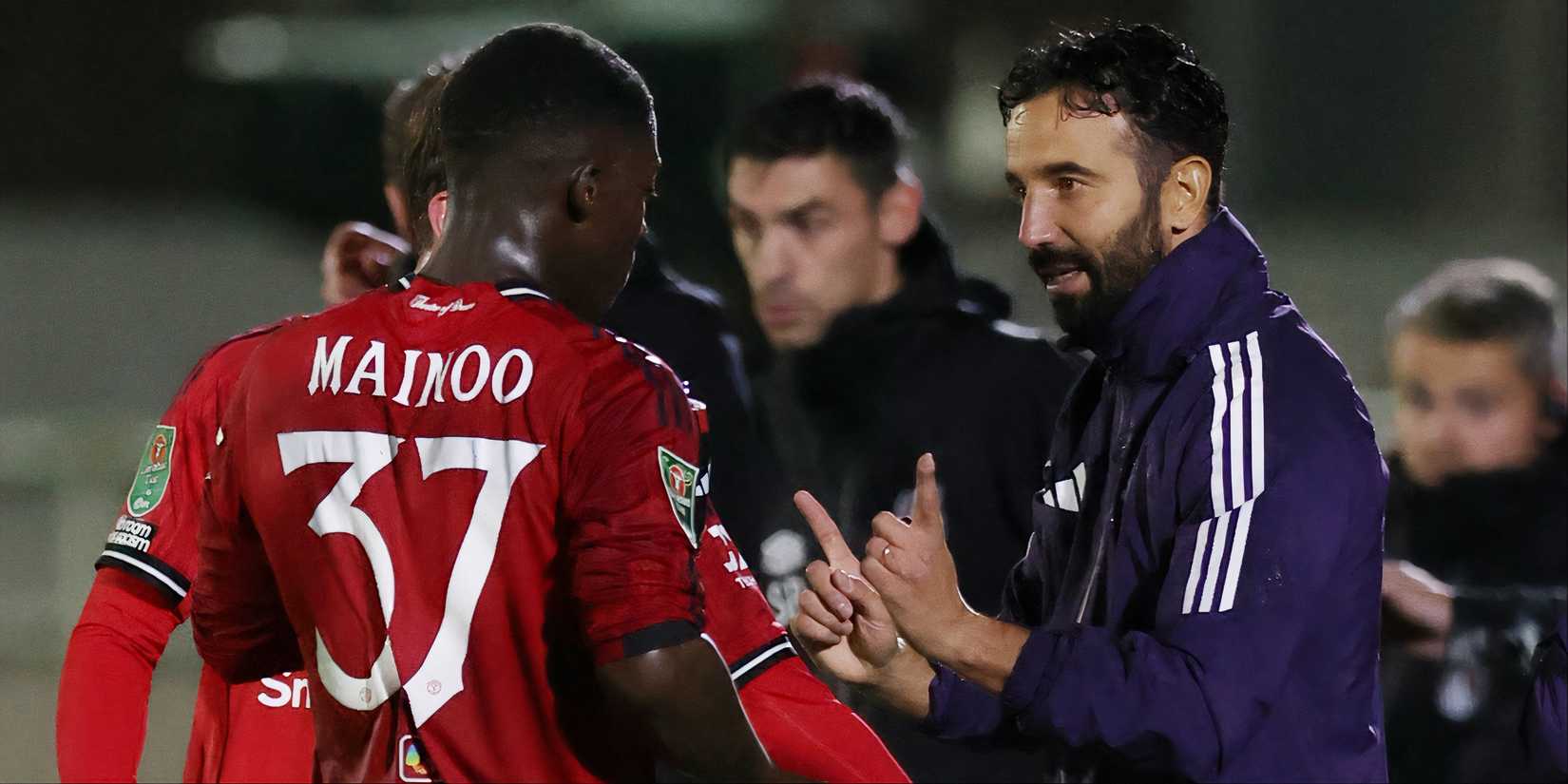
Rasmus Hojlund: A Costly Exodus
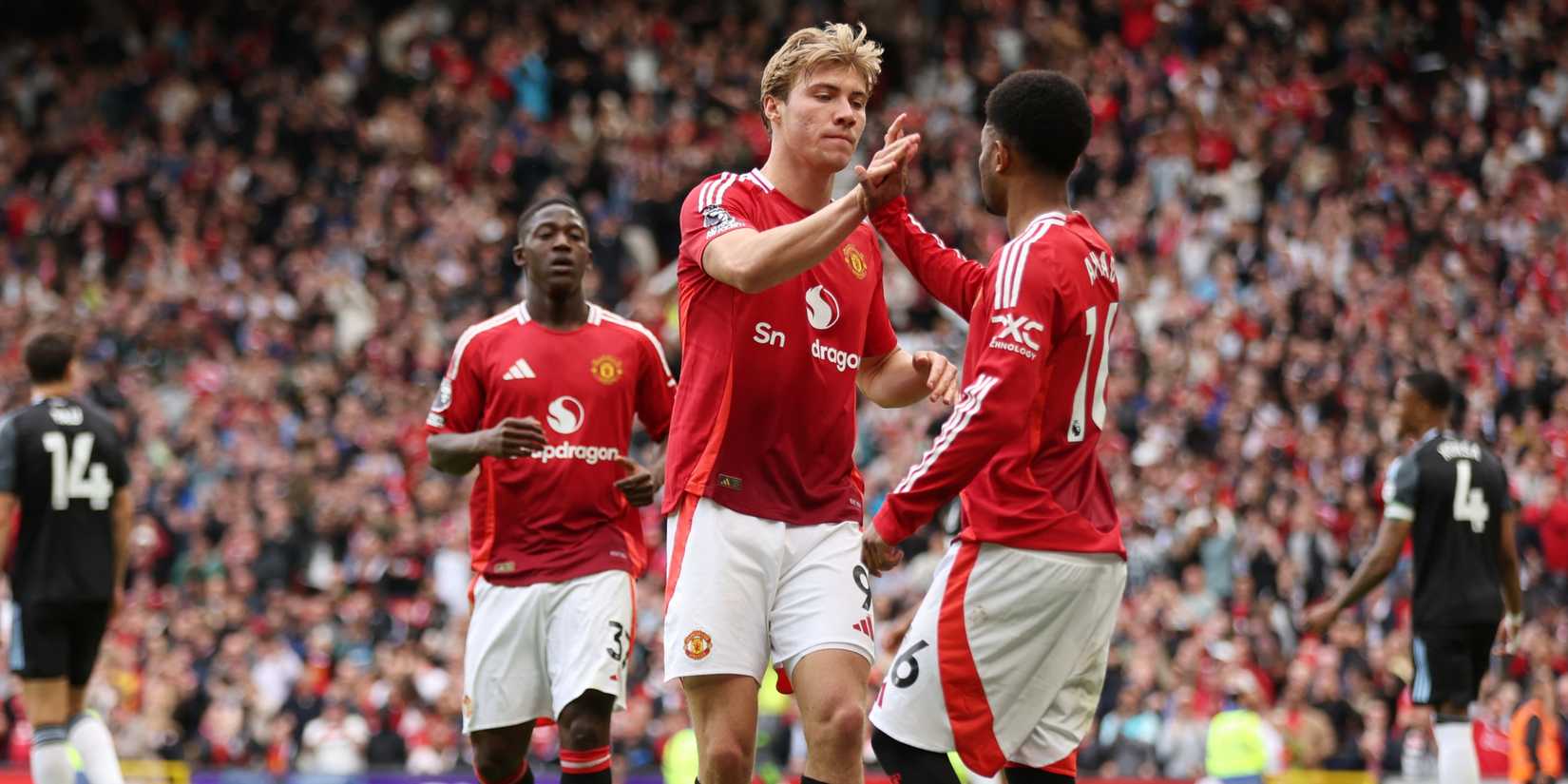
Mainoo is not an isolated case. The most tangible evidence of Amorim`s impact on player valuation comes with the departure of Rasmus Hojlund. The Danish striker, a significant investment for United, was part of a “bomb squad” of “unwanted” stars that also saw Jadon Sancho, Antony, and Alejandro Garnacho exit. Hojlund`s loan move to Serie A champions Napoli, reportedly with a £38 million permanent transfer clause, marks a telling indicator of his diminished standing.
It`s an ironic twist for a player who, to his credit, reportedly wished to stay and fight for his place at Old Trafford, even after the arrival of Benjamin Sesko. Under Ten Hag, Hojlund ended the preceding season as United`s top scorer across all competitions with a commendable 18 goals, demonstrating flashes of his potential. However, under Amorim, that form evaporated. He concluded the 2024/25 season with a paltry ten goals in all competitions, only four of which were in the Premier League. Despite lining up 40 times, his partnership with the new manager proved anything but fruitful. From 18 goals in 51 games under Ten Hag, his tally plummeted to just eight in 40 under Amorim.
The statistics paint a clear picture of decline:
| Hojlund`s PL Record | ||
|---|---|---|
| Stat (*per game) | 23/24 (Under Ten Hag) | 24/25 (Under Amorim) |
| Games (starts) | 30 (25) | 32 (23) |
| Goals | 10 | 4 |
| Mins per goal | 217 | 506 |
| Goal conversion | 26% | 13% |
| Big chances missed | 13 | 6 |
| Assists | 2 | 0 |
| Big chances created | 0 | 4 |
| Key passes* | 0.9 | 0.5 |
| Total duels won* | 38% | 29% |
The table reveals a stark picture: Hojlund scored fewer goals in more games, his minutes per goal more than doubled, and his conversion rate halved. While he missed fewer “big chances,” this might be a less flattering statistic, implying fewer chances were created for him overall. The hope that Amorim could unlock Hojlund`s potential, mirroring his success with Gyokeres, has, regrettably, not materialized. The striker found himself isolated, unable to generate chances for himself or consistently receive them from teammates – a troubling mix that led to his eventual exit and a significant depreciation in his perceived market value.
A Crossroads for Manchester United
The situations of Mainoo and Hojlund serve as potent symbols of a broader challenge at Manchester United. A manager’s tactical philosophy, while a foundation for success, must possess a degree of adaptability, especially when encountering different leagues and player profiles. The club`s substantial investment in young talent, particularly in a volatile market, necessitates a system that nurtures growth, not hinders it.
As the club navigates this period, questions abound. Can Ruben Amorim evolve his approach to accommodate the diverse skill sets within his squad? Or will his steadfast dedication to a singular system continue to overshadow individual brilliance, leading to further talent stagnation and, inevitably, a decline in player assets? Old Trafford waits, perhaps with a touch of weary resignation, for an answer.