
In the high-stakes theatre of modern football, where player valuations can skyrocket faster than a Premier League title contender`s ambitions, clubs frequently grapple with the delicate balance of financial prudence and talent retention. For Newcastle United, a club with resurgent aspirations and recent injections of wealth, the transfer window often feels like a tightrope walk. This sentiment was particularly palpable during the recently concluded, somewhat perplexing, transfer period.
While the Magpies managed to secure new attacking options like Yoane Wissa from Brentford and Nick Woltemade for a hefty £64m, the departure of prized forward Alexander Isak to Liverpool for a reported £125m cast a long shadow. This constant churn, however, brings to light a recurring theme in Newcastle`s history: the unfortunate tendency to let promising midfielders slip through their grasp, only to see their market value and on-field impact soar elsewhere. It`s a tale of two `Andersons`, and a lesson in what might have been.
Elliot Anderson: The Prodigal Son Who Flourished Away
The name Elliot Anderson once resonated with the promise of a homegrown hero at St James` Park. A product of Newcastle`s academy, the dynamic midfielder, now 22, was seen by many as a future linchpin. Yet, to navigate the choppy waters of Profit and Sustainability Rules (PSR), the Tyneside club made the difficult decision to part ways with him “last year” – selling him to Nottingham Forest for what now appears to be a staggeringly modest £35 million.

Fast forward a year, and Anderson`s trajectory has been nothing short of meteoric. Donning the colours of the Tricky Trees, he has become indispensable, featuring in 45 matches, netting two goals, and providing seven assists. His consistent, energetic performances did not go unnoticed, culminating in a well-deserved England call-up under Thomas Tuchel and a Man of the Match debut against Andorra. Once dubbed a “phenomenal” talent by former teammate Alex Rodman, his current market value is now estimated to be “3x more” than the fee Newcastle received, placing it comfortably over £100 million. A bitter pill for the Magpies faithful, indeed.
Mikel Merino: The `Original Anderson` and a Parallel Blunder
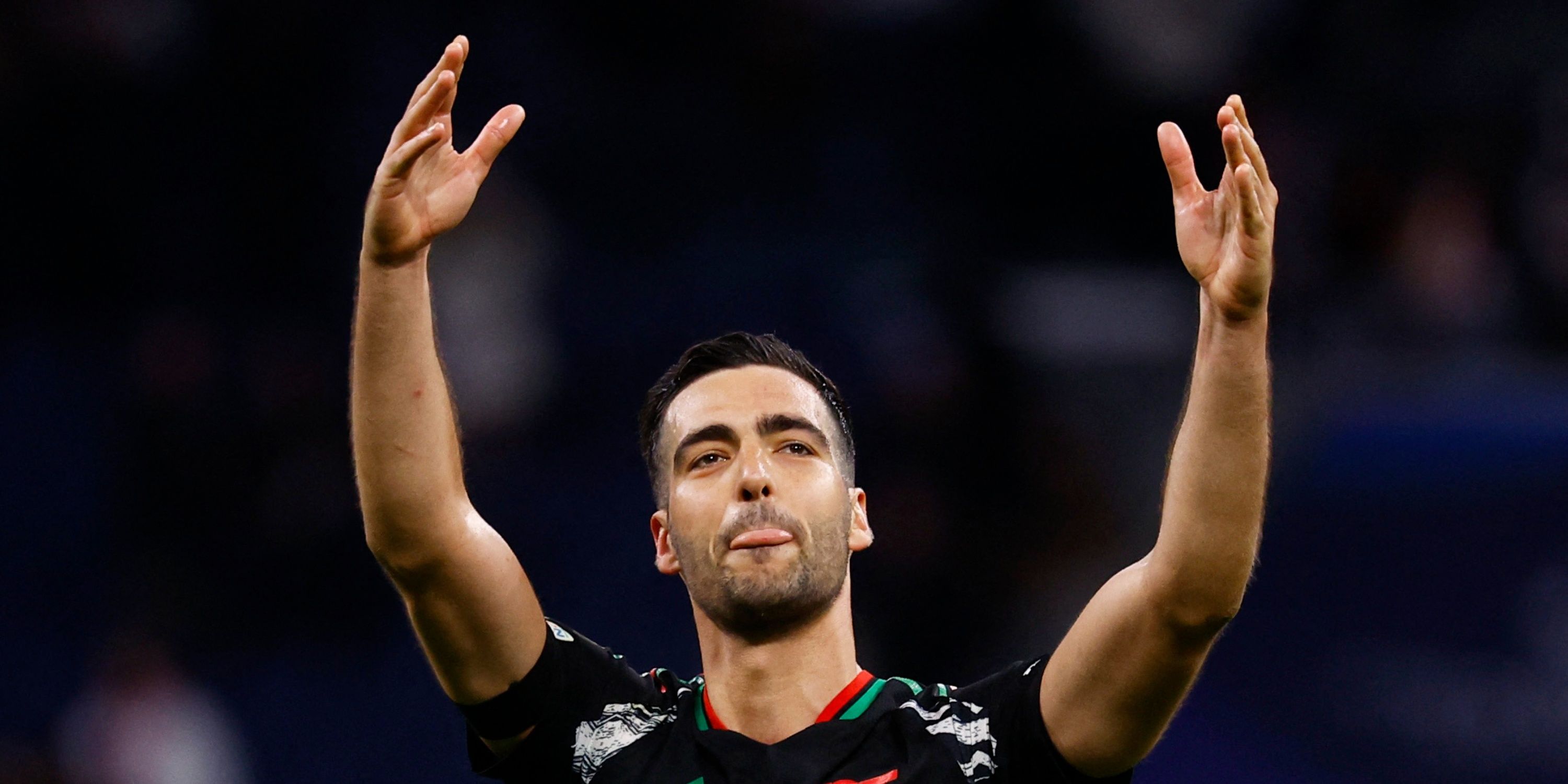
If Elliot Anderson represents a recent regret, then Mikel Merino offers an almost identical, albeit earlier, cautionary tale. He is, in essence, Newcastle`s “original Anderson” – a talented midfielder acquired in 2017 who, despite showing glimpses of brilliance, was deemed surplus to requirements too soon. Merino`s initial stint at St James` Park was brief, marred by only 14 league starts before he was transferred back to La Liga with Real Sociedad in 2018 for a mere £10 million.

However, much like Anderson, Merino`s career blossomed after leaving Tyneside. He not only established himself as a key player at Real Sociedad but, as recent reports suggest, made a triumphant return to English shores with Arsenal. Under Mikel Arteta, he transformed into a “Premier League-calibre talent,” demonstrating his versatility and goal-scoring prowess. The Spanish national team, under Luis de la Fuente, has recognized his “exceptional” abilities, with Merino even scoring for Spain during the same international break Anderson earned his first England cap. According to Transfermarkt, his value has now escalated to around £30 million – three times what Newcastle originally sold him for. The irony is as stark as it is painful.
A Tale of Two Midfield Dynamos: Merino vs. Anderson (24/25 PL)
A statistical comparison from the 2024/2025 Premier League season highlights the distinct yet equally valuable contributions these players make:
| Stat (* = per 90 mins) | Mikel Merino (Arsenal) | Elliot Anderson (Nottingham Forest) |
|---|---|---|
| Games played | 28 | 37 |
| Goals scored | 7 | 2 |
| Assists | 2 | 6 |
| Touches* | 30.2 | 54.2 |
| Accurate passes* | 15.9 (80%) | 28.7 (82%) |
| Ball recoveries* | 3.1 | 5.6 |
| Total duels won* | 4.9 | 6.5 |
| Stats by Sofascore | ||
The table reveals two different profiles of midfield excellence. Merino, with his higher goal tally, clearly evolved into a more offensive threat at Arsenal. Anderson, conversely, is the engine room, boasting significantly more touches, accurate passes, ball recoveries, and duels won, underscoring his omnipresent influence for Forest. Both, however, represent a type of midfield dynamism that would undoubtedly strengthen any top-flight squad, including Newcastle`s.
The Unspoken Cost of Strategic Sales
The story of Elliot Anderson and Mikel Merino serves as a stark reminder of the unpredictable nature of player development and the complex economics of football. While current Newcastle manager Eddie Howe boasts a strong midfield core with Bruno Guimaraes, Joelinton, and Sandro Tonali, the thought of having either Anderson or Merino, let alone both, providing additional depth and competition is a tantalizing “what if.”
These decisions, often necessitated by financial constraints like PSR or a shift in club philosophy, can lead to long-term regret. Selling promising youth for immediate capital might balance the books in the short term, but it can erode the club`s future talent pool and lead to paying exorbitant fees for equivalent talent later. For Newcastle United, the echoes of these past transfers resonate today, underscoring the enduring challenge of building a sustainable, successful squad in the unforgiving world of Premier League football. The Magpies may have received decent initial fees, but the true cost, measured in market value and on-field contribution, proved to be exponentially higher – a truly compelling, if somewhat painful, lesson in hindsight.