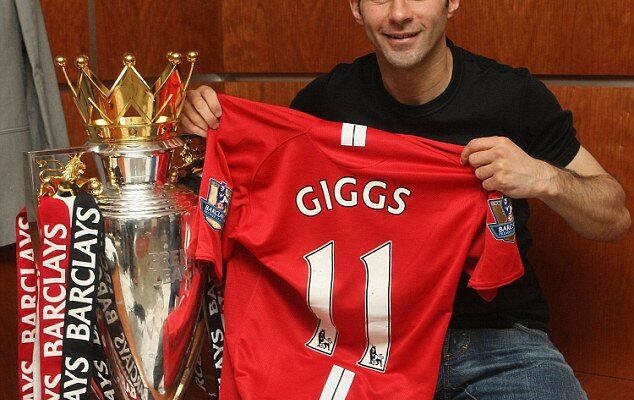
In the unpredictable world of football, predictions are often a high-stakes gamble. For a select few, however, a statement made in confidence can become a historical footnote, an uncanny echo resonating years later with a profound, almost poetic, irony. Such is the case with legendary Manchester United winger Ryan Giggs, whose pronouncements in 2011 about his club`s supposed immunity to the kind of decline Liverpool had faced have, rather spectacularly, circled back to haunt him.
A Tale of Two Dominances: Liverpool`s Zenith and United`s Ascendancy
For decades, English football`s narrative has been significantly shaped by the fierce rivalry between Liverpool and Manchester United. These two titans have, at different junctures, commanded the pinnacle of the sport, each enjoying periods of seemingly unassailable dominance. The 1970s and 1980s belonged decisively to Liverpool, a red wave that swept aside domestic and European challenges, accumulating First Division titles and European Cups with an impressive regularity.
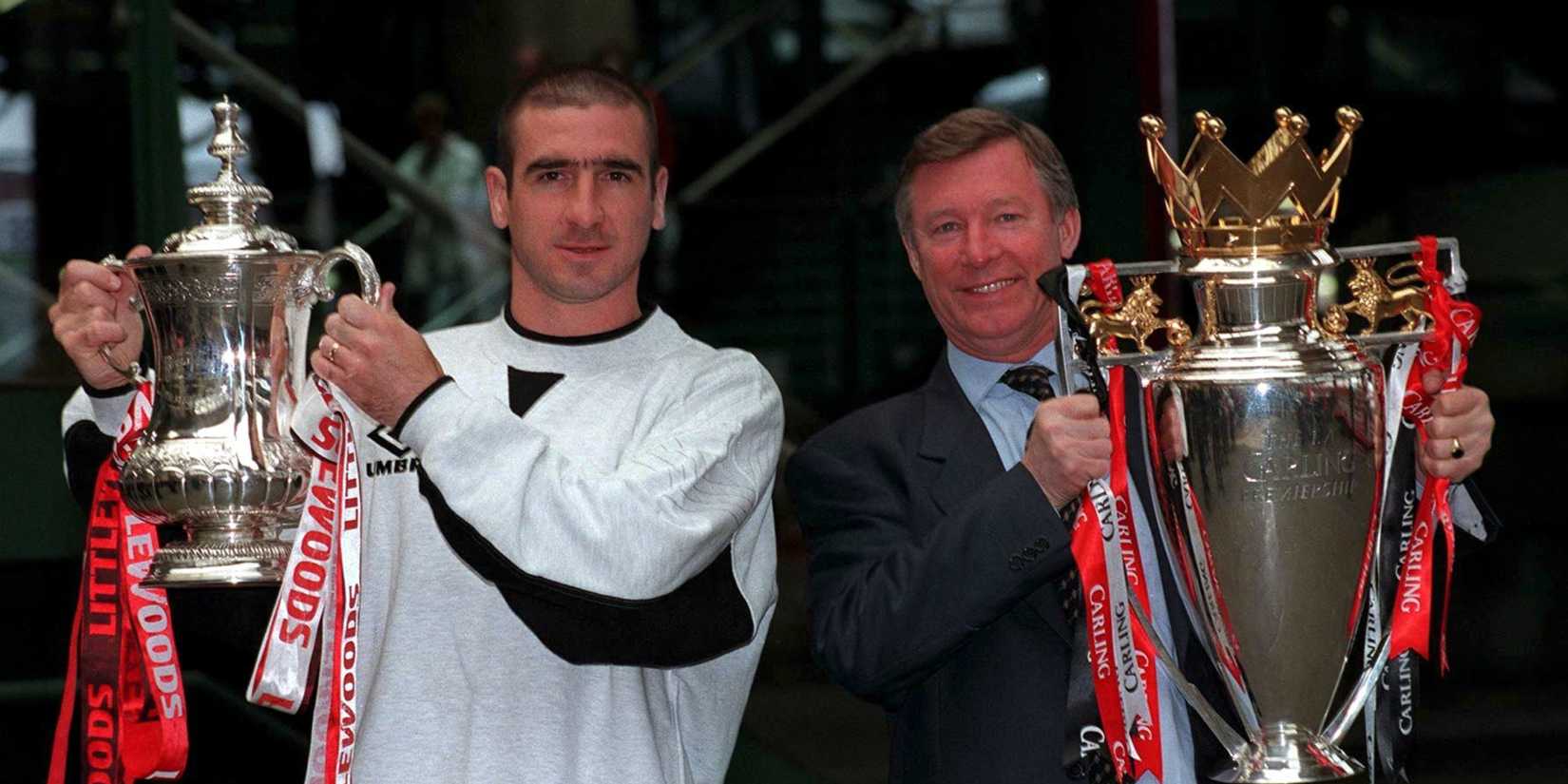
Yet, as with all empires, the Reds` reign eventually receded around 1990. It was into this vacuum that Manchester United, under the indomitable Sir Alex Ferguson, surged forth. For nearly two decades, Old Trafford became the epicenter of English football. With Ferguson at the helm, United perfected the art of winning, transforming the Premier League landscape and claiming trophy after trophy, even as rivals like Arsenal, Chelsea, and later Manchester City attempted to challenge their supremacy.
The Prophecy of Permanence: Giggs` Bold Claim
It was during this era of sustained success, in 2011, that Ryan Giggs, a player who embodied United`s winning mentality more than most, offered a remarkably confident assessment of his club`s future. His words, delivered with the conviction of a man deeply ingrained in a winning culture, painted a picture of perpetual dominance, starkly contrasting it with Liverpool`s earlier struggles. Giggs believed that Manchester United possessed an inherent, strategic advantage that would prevent them from ever falling into a similar abyss.
`Our manager is not always looking just for this season. He buys players with a view to the future, which he`s done more and more over the last few years. He`s bought players like Cristiano Ronaldo, Wayne Rooney, Anderson and Nani – all young players who have got the ability to go on and be better, and all of whom have done that.
`Now we`ve got the next batch, the likes of Javier Hernandez, Rafael and Fabio Da Silva, Gabriel Obertan and Chris Smalling, all young players who will hopefully get better over the next few years. The manager is experienced enough to know that we`ll be challenging for the league this season and long after that because of the nucleus of the squad we have, as well as adding fresh blood, which gives everyone a lift.`
Giggs` statement highlighted Sir Alex Ferguson`s meticulous approach to squad building: a blend of established talent and a relentless focus on nurturing young prospects. This long-term vision, he argued, was United`s safeguard, a perpetual motion machine for success that Liverpool, perhaps, had lacked in their transition phase.
The Unforeseen Twist: A Post-Ferguson Paradigm Shift
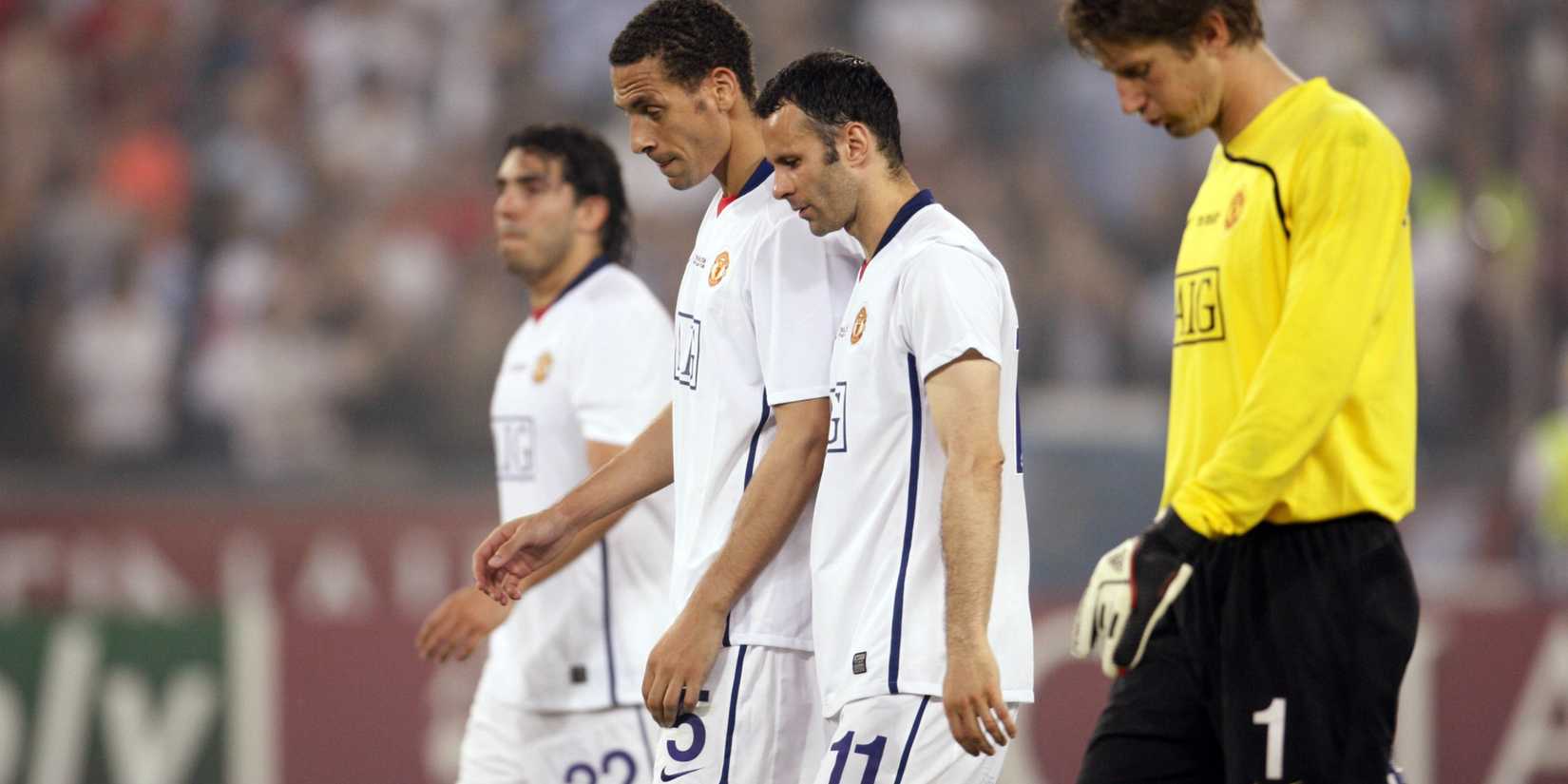
The irony, often a cruel mistress, entered the scene with the departure of Sir Alex Ferguson in 2013. Far from maintaining their trajectory, Manchester United entered a period of profound instability. The very long-term vision Giggs had praised seemed to dissipate. Managerial changes became frequent, transfer strategies appeared disjointed, and the club struggled to recapture its former glory. The Premier League title, once a regular fixture in their cabinet, has eluded them for over a decade, reducing a once-dominant force to, at times, a subject of widespread ridicule.
Concurrently, Liverpool embarked on their own resurgence. Under Jürgen Klopp, and now Arne Slot, the Reds meticulously rebuilt, mirroring the very long-term player acquisition and development strategy Giggs once lauded about United. They found new legends, embraced a distinct playing philosophy, and, critically, rediscovered the winning habit, clinching two Premier League titles in recent years and consistently competing for top honors. Today, the gap between the two rivals on the pitch is often described as a chasm, a stark reversal of fortunes from Giggs` predictive golden age.
The Cyclical Nature of Sporting Dominance
Giggs` 2011 comments, while sincere at the time, now serve as a potent reminder of the inherent impermanence in sports. No team, no matter how dominant, is truly immune to the ebb and flow of fortune. Factors such as managerial changes, shifts in player recruitment philosophy, evolving tactics, and even the simple aging of a legendary squad can trigger profound shifts. What Giggs perhaps underestimated was the singular, irreplaceable influence of Sir Alex Ferguson – not merely as a coach, but as an institution, a steady hand whose departure left a void far larger than anticipated.
However, history also teaches us that football`s giants rarely stay down forever. Both Manchester United and Liverpool are clubs with immense global support, significant financial power, and a deep-rooted winning heritage. While United`s current challenges are undeniable, the prospect of their eventual return to the summit remains a persistent hope for their fanbase. The very nature of this rivalry dictates that periods of struggle are often preludes to renewed ambition and eventual resurgence.
The lesson from Giggs` now-unravelled prediction is clear: tempting fate in football is a dangerous game. For any current player or manager enjoying a spell of success, a moment of reflection on past declarations might be well advised. Dominance is hard-won and easily lost, a delicate balance susceptible to the slightest tremor. And sometimes, the very foundations we believe to be unshakeable turn out to be merely part of a larger, ever-turning wheel of fortune.