Since the inception of the Premier League in 1992, West Ham United has navigated a tumultuous journey of managerial appointments—some brilliant, many unremarkable, and a few outright disastrous. Over this period, the club has seen 12 permanent managers, oscillating between fierce relegation battles, periods of mid-table obscurity, and sporadic flashes of genuine excellence. Here’s a ranking of these managers, from the least effective to the most successful.
12. Avram Grant
Avram Grant’s tenure as manager was an undeniable failure. Appointed following a disappointing stint elsewhere, he presided over a catastrophic season that culminated in the club’s relegation. Despite several new signings, none had a significant impact, and the team completely collapsed towards the end of the season, securing only a single point from their final eight fixtures. It was a disorganized and uninspired leadership that showed no signs of success from the outset.
11. Julen Lopetegui
Julen Lopetegui’s brief spell in 2024, despite initial high hopes, yielded minimal returns. Despite extensive preparatory work and considerable financial investment, the anticipated results failed to materialize. A porous defense, an ineffective attack, and questionable in-game tactical choices resulted in him winning only six of 20 league matches. While acknowledging the board’s swift judgment, his performance simply did not warrant a more extended stay.
10. Glenn Roeder
Glenn Roeder’s legacy is complex. While he was instrumental in introducing future stars like Jermain Defoe and Joe Cole, and oversaw a respectable first season, he ultimately managed one of the most gifted squads ever to be relegated from the Premier League. His failure to capitalize on early promise marks his tenure as a significant ‘what if’ moment in the club’s history.
9. Billy Bonds
A true club legend, Billy Bonds successfully guided West Ham back into the Premier League and ensured their survival during the 1993–94 season. Beyond this crucial achievement, however, his impact as a manager was rather constrained. His time at the helm was characterized by stability but remained largely unremarkable.
8. Gianfranco Zola
Gianfranco Zola injected optimism and an attacking style of football into the club, especially during his inaugural season, which saw young talents thrive and West Ham secure a respectable top-half finish. Nevertheless, a dismal second season brought the team perilously close to relegation. Despite this decline, his amiable character and dedication to nurturing youth talent earn him a deserved mid-table position in this ranking.
7. Manuel Pellegrini
Manuel Pellegrini’s appointment was initially seen as a statement of ambition, but ultimately it failed to deliver. A promising start soon devolved into inconsistency, ineffective player recruitment, and defensive vulnerabilities. Substantial financial outlay did not translate into tangible success, making his tenure another case study in unfulfilled potential.
6. Alan Curbishley
Alan Curbishley merits commendation for bringing stability to the club during a turbulent era. He masterminded an extraordinary escape from relegation in the 2006–07 season and subsequently delivered a respectable mid-table finish. While his approach may not have been flashy, his tenure provided much-needed consistency—a quality West Ham has historically struggled to maintain.
5. Alan Pardew
Alan Pardew’s period at West Ham was both dramatic and unpredictable. He guided the club to promotion and an FA Cup final, alongside a top-half league finish. However, his reign was marred by inconsistency, and he departed with the club spiraling downwards the subsequent season. Moments of genuine brilliance were ultimately undermined by persistent instability.
4. Sam Allardyce
Sam Allardyce was never a popular figure among the fans, yet he undeniably delivered on his objectives: promotion to the Premier League and subsequent stability within it. His pragmatic approach ensured West Ham remained competitive, even briefly propelling them into the top four during the 2014–15 season. While the football under his stewardship might have lacked flair, his results were incontrovertibly effective.
3. Slaven Bilic
Slaven Bilic’s legacy is largely defined by a single, magical season. During the 2015–16 campaign, West Ham played some of their most exhilarating football in years, finishing seventh and captivating supporters with their attacking prowess. Although his subsequent seasons saw a decline in performance, that unforgettable campaign firmly secures his high position in this ranking.
2. Harry Redknapp
Harry Redknapp transformed West Ham into a formidable Premier League contender during the late 1990s. His most significant accomplishment was leading the team to a fifth-place finish in the 1998–99 season. Furthermore, he was instrumental in nurturing a ‘golden generation’ of talent, including future stars like Rio Ferdinand and Frank Lampard. Despite a rather contentious departure, his enduring impact on the club was profound.
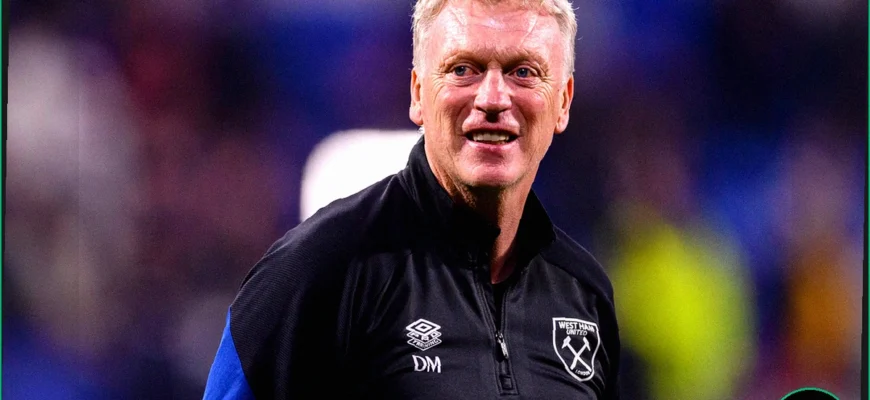
1. David Moyes
Claiming the top spot is David Moyes, whose achievements dramatically surpassed all expectations. Initially brought in to avert relegation, he not only stabilized the club but also propelled it to unprecedented levels of success. Under his leadership, West Ham secured multiple top-seven finishes, consistently participated in European competitions, and most notably, clinched the UEFA Europa Conference League—their first major trophy in over four decades. Moyes, true to his managerial style, skillfully blended pragmatism with progress, constructing a resilient and competitive side reminiscent of his most successful years at Everton. For many supporters, his era represents the most prosperous and sustained period the club has experienced in modern history.
Final Thoughts
The managerial history of West Ham in the Premier League era mirrors the club itself: unpredictable, occasionally brilliant, and often frustrating. While numerous managers failed to leave a significant impact, a select few delivered unforgettable moments that will endure in the memories of supporters. From the depths of relegation under Grant to the historic European triumph with Moyes, this ranking vividly illustrates the remarkably varied and dramatic journey of the club.