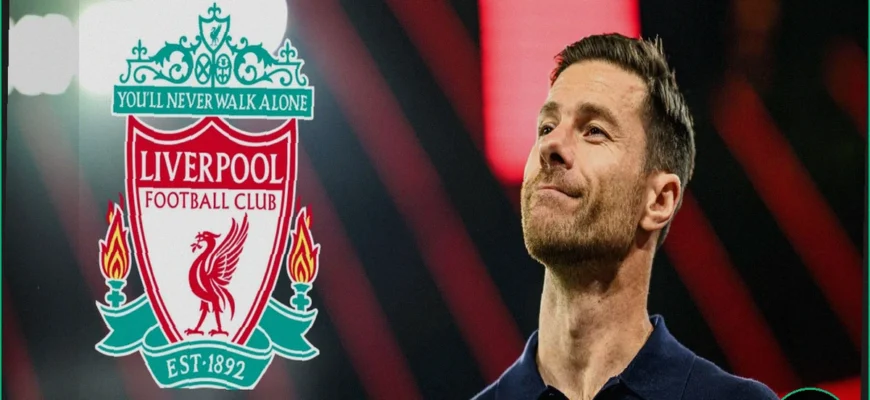
Xabi Alonso’s impact on Liverpool FC is as profound as it is graceful, making him one of modern football’s most memorable figures at Anfield. Renowned for his astute intelligence, calm demeanor, and exceptional passing ability, Alonso’s bond with the club has endured long beyond his playing tenure on Merseyside. The prospect of his return, now as a potential manager, has gained significant traction, fueled by his burgeoning reputation as a leading coaching talent in Europe. This article explores the realities and rumors surrounding this potential reunion and the deep reasons it resonates with fans.
- Alonso’s Anfield Legacy: Intelligence, Composure, and Clutch Moments
- An Illustrious Playing Career Cementing His Global Status
- Xabi Alonso’s Emergence as a Highly Touted Manager
- The Enduring Liverpool Connection: A Natural Fit?
- Distinguishing Between Confirmed Facts and Lingering Speculation
- The Undeniable Emotional Allure of a Homecoming
- Conclusion: A Chapter Yet to Be Penned
Alonso’s Anfield Legacy: Intelligence, Composure, and Clutch Moments
Arriving at Liverpool in 2004 from Real Sociedad, under manager Rafael Benítez, Alonso immediately introduced a distinctive style to the Premier League. In an era often dominated by physical play and raw speed in English football, Alonso distinguished himself through his superior vision and masterful control.
His defining moment arrived during the 2005 UEFA Champions League Final, a match frequently cited as one of football’s all-time greatest. Alonso’s goal, scored from the rebound of his own saved penalty, sealed Liverpool’s improbable comeback from a 3-0 deficit against AC Milan, forever embedding him into the club’s illustrious history.
For five seasons at Anfield, Alonso was the pivotal force in Liverpool’s midfield. His unparalleled skill in dictating the game’s rhythm, executing precise long-range passes, and performing under immense pressure made him an irreplaceable asset. Even following his 2009 transfer to Real Madrid, his profound impact continued to shape Liverpool supporters’ admiration for technically proficient midfielders.
An Illustrious Playing Career Cementing His Global Status
Alonso’s achievements extended well beyond his time at Liverpool. He was a cornerstone of Real Madrid’s squad, securing both La Liga and Champions League titles, and later concluded his playing days at Bayern Munich, under the tutelage of acclaimed managers such as Pep Guardiola.
On the international stage, Alonso was an integral member of one of the most formidable national teams ever assembled. Playing for Spain, he triumphed in the 2010 FIFA World Cup and secured two European Championship titles in 2008 and 2012. These monumental successes transcended his status from a Liverpool hero to a revered global football icon.
This diverse experience, encompassing various leagues, tactical systems, and working alongside elite managers, significantly molded his future coaching philosophy.
Xabi Alonso’s Emergence as a Highly Touted Manager
Upon retiring from playing, Alonso transitioned into coaching, initially guiding youth teams at Real Madrid before assuming a senior managerial role at Bayer Leverkusen. It was at Leverkusen where his coaching reputation truly soared.
At Leverkusen, Alonso swiftly instilled a distinct tactical philosophy: one characterized by structure, intelligence, and adaptability. His teams exhibited exceptional positional discipline, dynamic attacking play, and a serene composure in possession, mirroring his own playing attributes. Under his guidance, Leverkusen transformed into one of Europe’s most captivating and successful football teams.
Significantly, his success is founded not merely on media buzz, but on concrete results, consistent high-level performances, and demonstrable player development, all reinforcing the conviction that Alonso is poised for a stellar managerial career.
The Enduring Liverpool Connection: A Natural Fit?
Considering his profound history with Liverpool, the recurring links between Alonso and a return to Anfield are entirely unsurprising. The emotional bond is palpable; he remains a beloved figure among the fan base, possessing an ingrained understanding of the club’s ethos and culture.
From a purely footballing standpoint, this connection also holds logical weight. Following Jürgen Klopp’s immensely successful era, Liverpool has recently entered a transitional phase. Any prospective successor would require not just sharp tactical intelligence, but also a deep capacity to align with the club’s intrinsic identity and lofty expectations.
Alonso seemingly meets many of these criteria. His composed authority, acute tactical mind, and experience gained at top-tier clubs align perfectly with Liverpool’s managerial prerequisites. Furthermore, his preferred playing style—emphasizing control, strategic pressing, and intelligent movement—would offer a degree of continuity rather than a drastic divergence from the footballing principles established by Klopp.
Distinguishing Between Confirmed Facts and Lingering Speculation
While the notion of Xabi Alonso’s return to Liverpool is undeniably captivating, it’s crucial to differentiate between concrete facts and the persistent, often circulating, speculation.
Presently, Alonso continues to build his managerial legacy at Bayer Leverkusen, attracting strong interest from various elite European clubs. However, no official confirmation of a move to Liverpool has materialized. The prevalent rumors primarily arise from his impressive achievements in Germany and his historical bond with Anfield, rather than any formal agreements.
Liverpool, consistent with any top-tier club, employs a rigorous and frequently confidential recruitment process for managerial appointments. Although former players are occasionally considered, ultimate decisions are driven by long-term strategic objectives, not merely sentimental attachment.
The Undeniable Emotional Allure of a Homecoming
Football narratives are deeply compelling, and few resonate more powerfully than a cherished former player returning in a leadership capacity. For Liverpool supporters, Alonso embodies a golden era, synonymous with unforgettable European triumphs and exquisite technical prowess.
The prospect of his return as manager evokes a powerful sense of nostalgia, simultaneously instilling optimism for the club’s future. It signifies a continuation, a seamless transfer of responsibility from one generation to the next, entrusted to someone intimately familiar with the club’s profound identity.
Conclusion: A Chapter Yet to Be Penned
Xabi Alonso’s bond with Liverpool is already indelibly etched into history. As a player, he authored indelible moments. As a manager, he is carving out a trajectory that might someday lead him back to Anfield—a chapter, however, that remains unwritten.
Currently, their connection stands as one of profound admiration and exciting potential, rather than a definitive certainty. Regardless of whether Alonso eventually makes a return, his legacy at Liverpool is indisputable, and his ascendance in the managerial world guarantees his footballing narrative is still very much unfolding.