European Authorities Scrutinize Virtual Currencies in Nine Video Games
European consumer protection authorities are targeting nine video game companies regarding their virtual currency practices. The action involves a coordinated effort across the CPC Network, a body for consumer protection authority cooperation.
The games under review include Candy Crush Saga, Clash of Clans, Forge of Empires, For Honor, Gardenscapes, Hunt: Showdown 1896, Mech Arena, Minecraft, and Valorant. Authorities suspect that certain in-game currency practices might violate European consumer law.
Announced on September 30th, the initiative highlights concerns about how players are informed of the actual cost of purchases. Many games use their own virtual currency, which is bought with real money. This can lead to players needing to convert prices or buy more virtual credits than necessary to acquire an item, making expenses harder to track.
Authorities are urging companies to provide clearer pricing and pre-purchase information. They also want to see an end to mechanisms that encourage excessive virtual currency purchases and insist on respect for consumer withdrawal rights. A key emphasis is placed on protecting vulnerable groups, especially children, ensuring players understand what they are buying and how much they are spending.
This action does not mean the European Union is banning virtual currencies or microtransactions. The CPC Network seeks dialogue with the companies to address the concerns raised. If companies fail to take necessary steps, national authorities may enforce compliance. No sanctions have been announced yet for these nine cases.
The European Commission previously published guidelines on virtual currencies in games in March 2025 to help companies apply consumer protection rules. This new step moves from general principles to targeted discussions with specific publishers and games. Future actions will depend on company responses and national authority evaluations.
These actions are separate from the investigation opened earlier in 2026 concerning Microsoft and Activision Blizzard regarding Call of Duty: Mobile and Diablo Immortal. That case also involves virtual currency sales but examines different issues like data collection, parental controls, solicitations to children, and account blocking. Dialogue continues in that distinct case as well.
Fresh materials — Esports
Bungie's New Leadership Details Vision for Destiny 2 and Marathon's Future
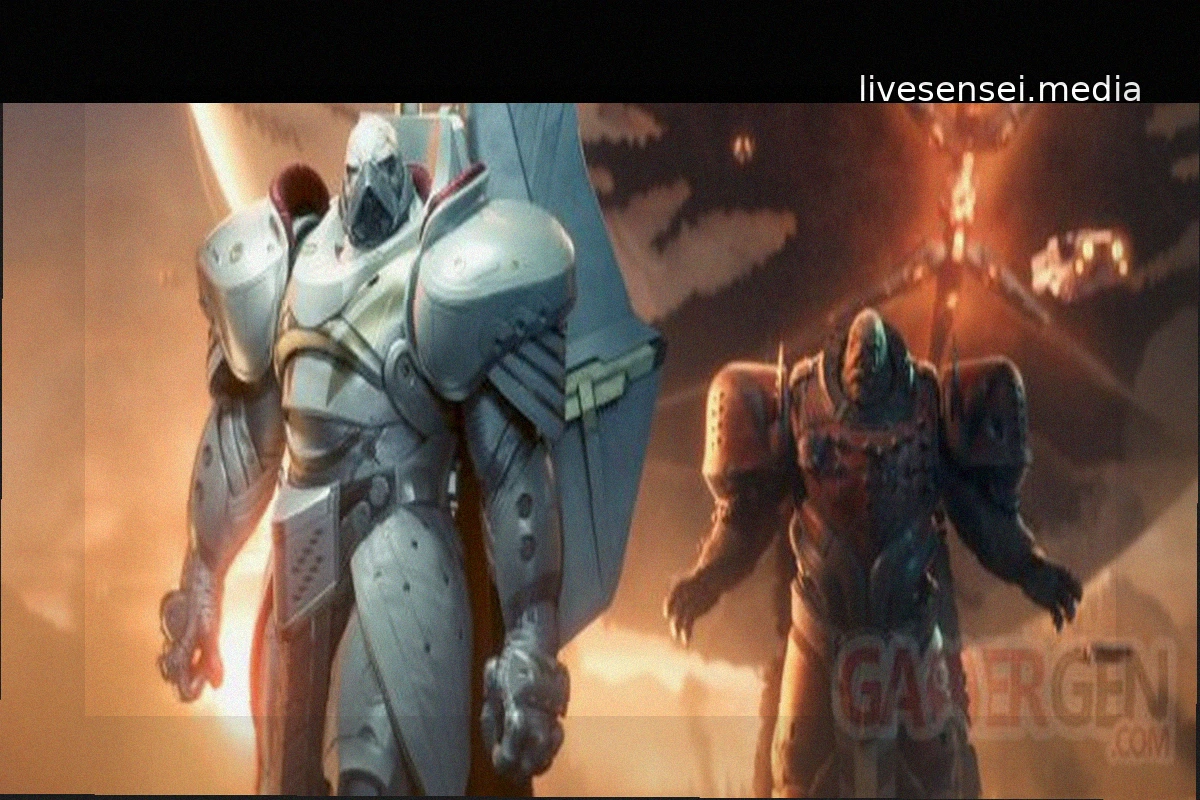
Despite recent challenges and layoffs, Bungie's new leadership has announced a significant shift in strategy, confirming that the Destiny franchise is far from over. The studio is committed to restoring Destiny 2 and continuing the development of Marathon. Following the release of Monument

Yu-Gi-Oh! TAG FORCE GX : Un remake enrichi du classique de la PSP refait surface
Konami a révélé une surprise inattendue lors d'un récent Nintendo Direct : Yu-Gi-Oh! TAG FORCE GX. Il s'agit d'un remake du jeu PSP de 2008, Yu-Gi-Oh! GX TAG FORCE 3, qui n'est jamais sorti en Amérique du Nord. Cette annonce s'inscrit dans la stratégie de Konami de capitaliser sur la diffusion
PS6 Controller: Is Sony Already Preparing a DualSense Successor?
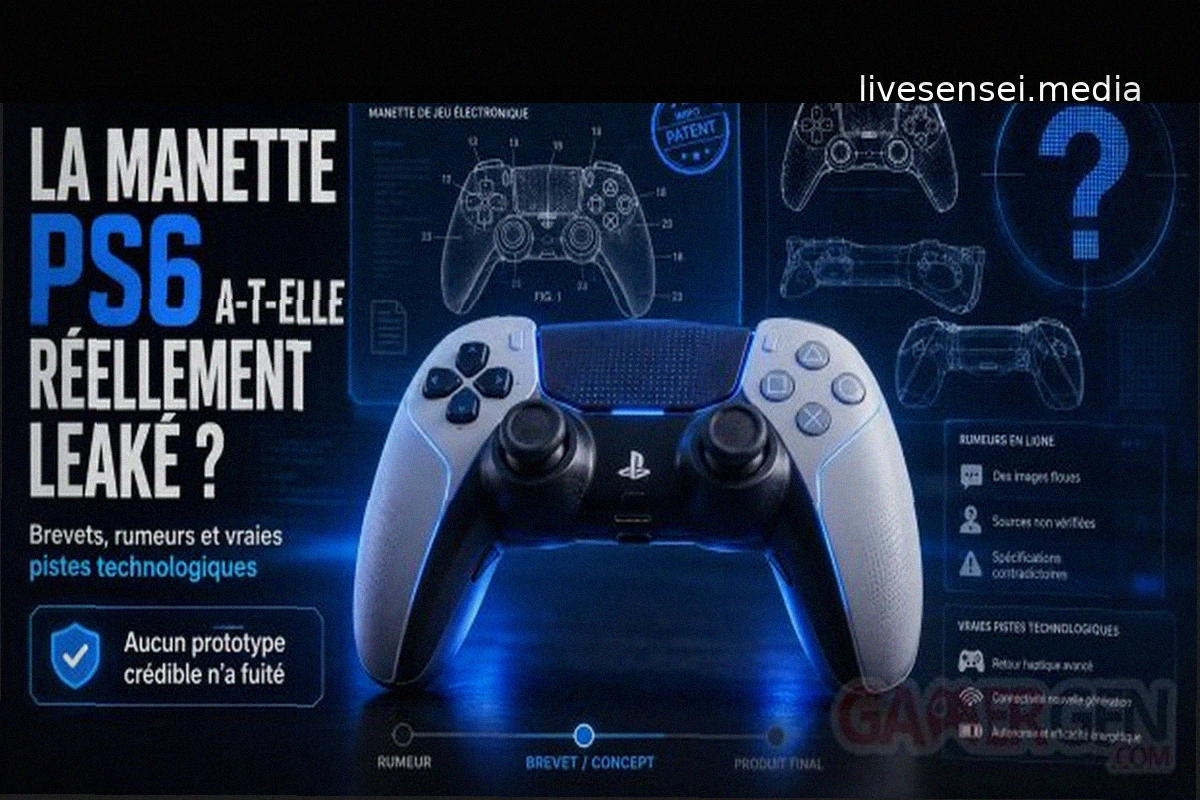
Speculation about the future PS6 controller is rampant on social media, with numerous videos, illustrations, and alleged leaks surfacing. However, concrete evidence like credible prototype photographs, development kit videos, or industrial technical specifications for the next-generation PlayS

Gaming PC Selection Made Easy
Finding a high-performing gaming machine no longer requires a degree in engineering. The specialist TopAchat has radically simplified the selection of hardware...
Pragmata: French Press Reviews Praise Gameplay and Emotion
Pragmata has garnered widespread acclaim from the French press, with critics highlighting its exceptional gameplay and expertly managed emotional depth.

Nintendo Switch Online: Namco NES Classics Added for April
If you're a fan of 80s retro games, get ready! New titles have just landed on the NSO's NES emulator.