AI and Retrogaming: Innovation or Extinction?
The arrival of new technology often sparks a familiar debate: doomsayers warn of art's demise, enthusiasts hail innovation, and communities divide. Retrogaming is no exception. Recent concerns from Olipix and backlash against mass-produced automated ports, like those by Mister JBAM, raise critical questions. How can we navigate an overwhelming influx of releases? How do we ensure learning persists when projects are generated with simple prompts? While these criticisms are valid, do they signal the end of our hobby?
These tensions echo the growing pains seen in other digital transformations. Expanding creative access is positive, but it inevitably leads to a surge of uneven productions. The public shouldn't be forced to sift through it all. We must uphold high standards worthy of this increased accessibility.
The parallel with YouTube and social media is telling. Easy publishing has allowed new talents to find their audience. It has also flooded platforms with mediocre, repetitive, or uninteresting content. Quality creation hasn't vanished, but gaining visibility now demands careful selection. One might assume players will learn to spot promising projects, and rushed productions will eventually fade. This is a possibility, not a certainty.
More importantly, this perspective overlooks those who enable this filtering process. In retrogaming, dedicated individuals test new releases, maintain databases, document versions, and answer questions. Content creators and journalists introduce projects to their audiences. Their time remains finite, even with accelerated production. For example, Guillaume Verdin, editorial manager at Mag de MO5.COM, stated he excluded some AI-generated productions from his review due to time constraints. Creative democratization cannot rely on an endless supply of reviewers.
Publishing a project is a freedom; gaining the attention of an entire community is not a given.
Passion isn't measured by the number of handwritten lines or hours saved. It's also shown in the care taken with the final product and respect for others' time.
These constraints help us understand the limitations set in specialized online spaces. Labeling them solely as resistance to innovation would be as narrow-minded as viewing all AI use as a threat. On SMS Power, for instance, the administrator requests that forum members refrain from submitting predominantly AI-generated creations in the development section. Targeted questions to understand or fix code are still welcome. The stated goal is to maintain a space for developers to discuss their work.
This distinction matters. A community can include AI users while still curating the content it hosts. A website can limit its search engine indexing. A media outlet can prioritize finished projects or approaches it deems interesting.
These choices contribute to the necessary selection process. They should be open to discussion but are not inherently condemnations of the tool itself.
Fresh materials — Esports
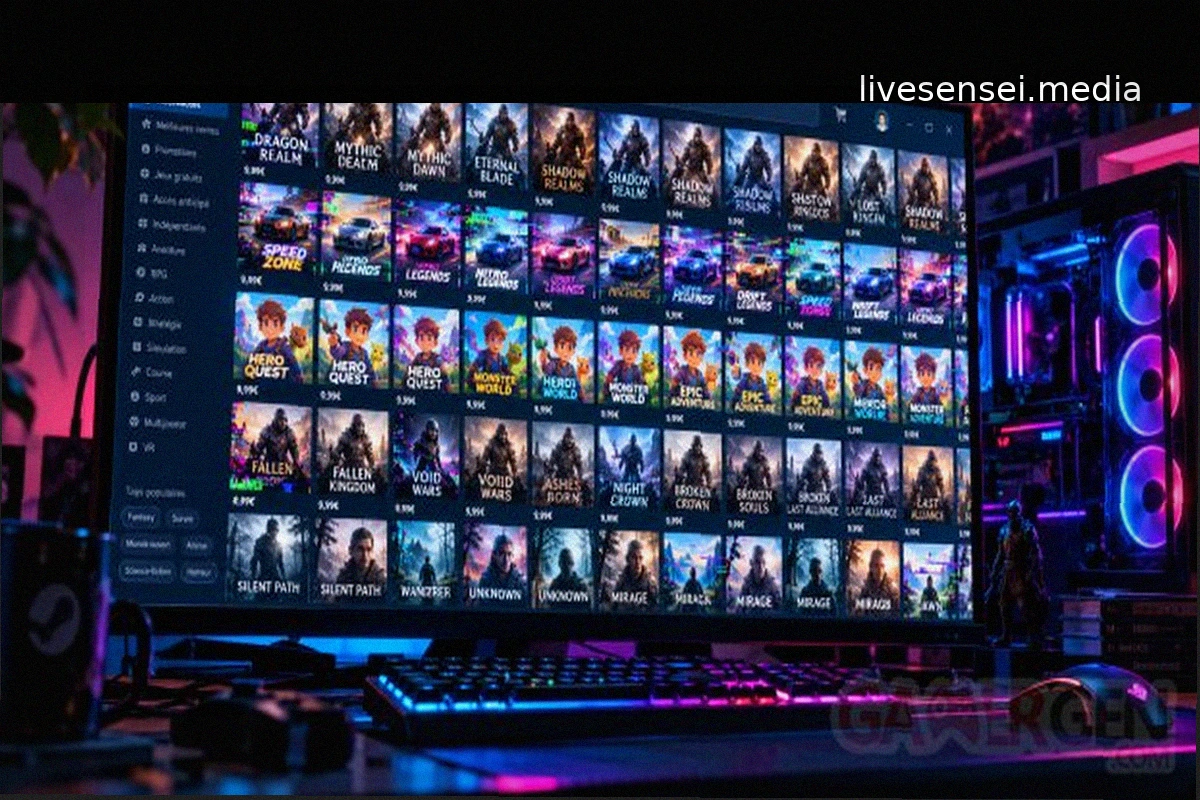
Steam Next Fest Faces Backlash Over AI-Generated Demos
The recent Steam Next Fest, intended as a showcase for independent game development, has drawn sharp criticism on social media, earning it the moniker "AI Slop Fest." This backlash stems from player frustration with a deluge of quickly produced, AI-generated demos lacking artistic direction or
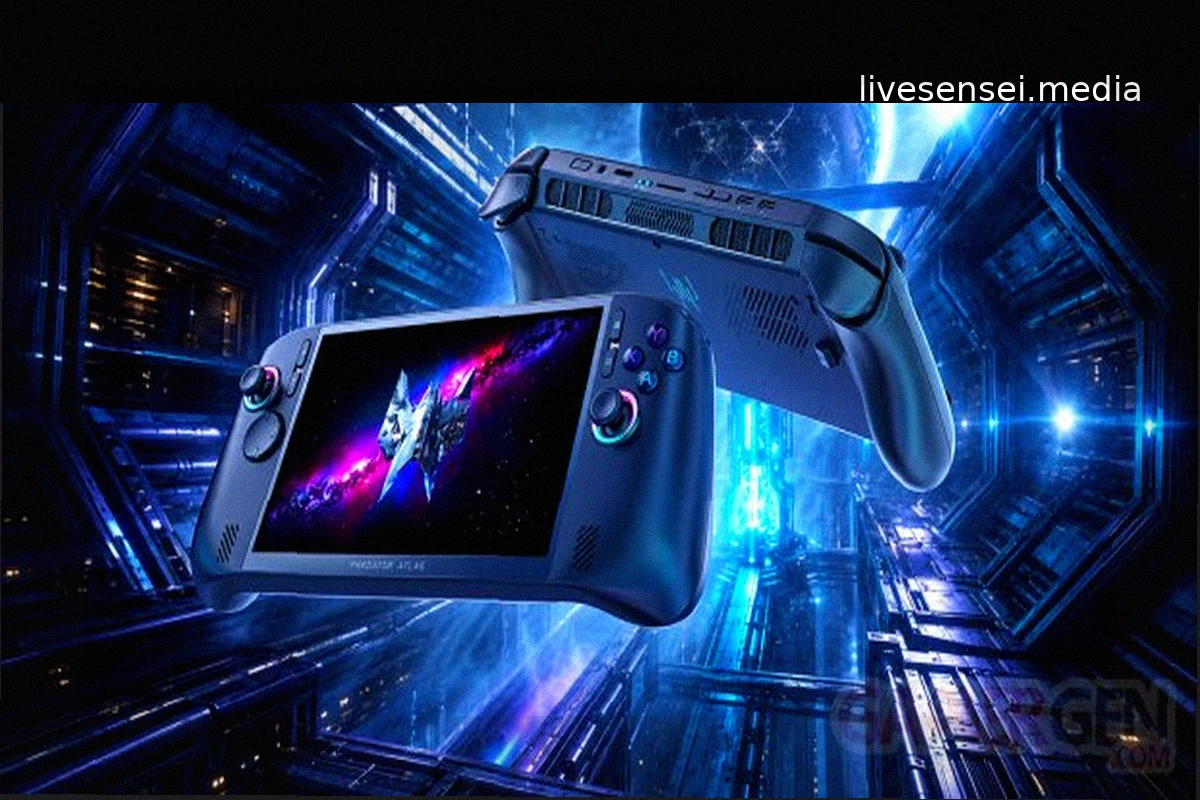
Acer's Predator Helios Neo 16 Gaming Laptop Now Available in France Starting at €1,099
Acer's Predator Helios Neo 16 gaming laptop is now available in France, with prices starting at €1,099 (VAT included). Announced in May, the device is being sold through retailers like Fnac, Boulanger, and LDLC. The base model, PA08-I51-G5W6, is priced at €1,099. It comes equip
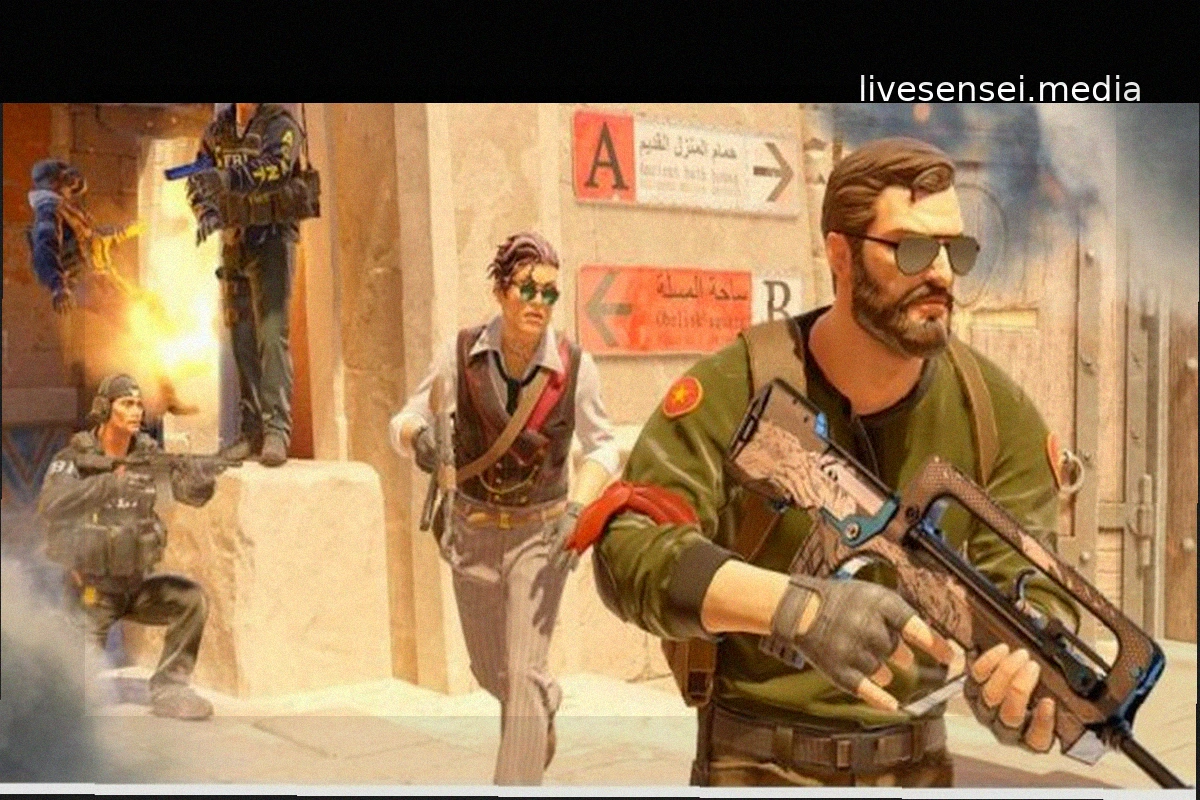
1win CS2 Team Earns $100,000 Bonus After Upsetting Team Spirit
The 1win Counter-Strike 2 team defeated the world's top squad, Team Spirit, with a 2-0 scoreline. This victory secured 1win a spot in the playoffs at Spodek Arena. Following this historic win, 1win's owner awarded the team an additional $100,000 bonus. This outcome caps a strong group sta
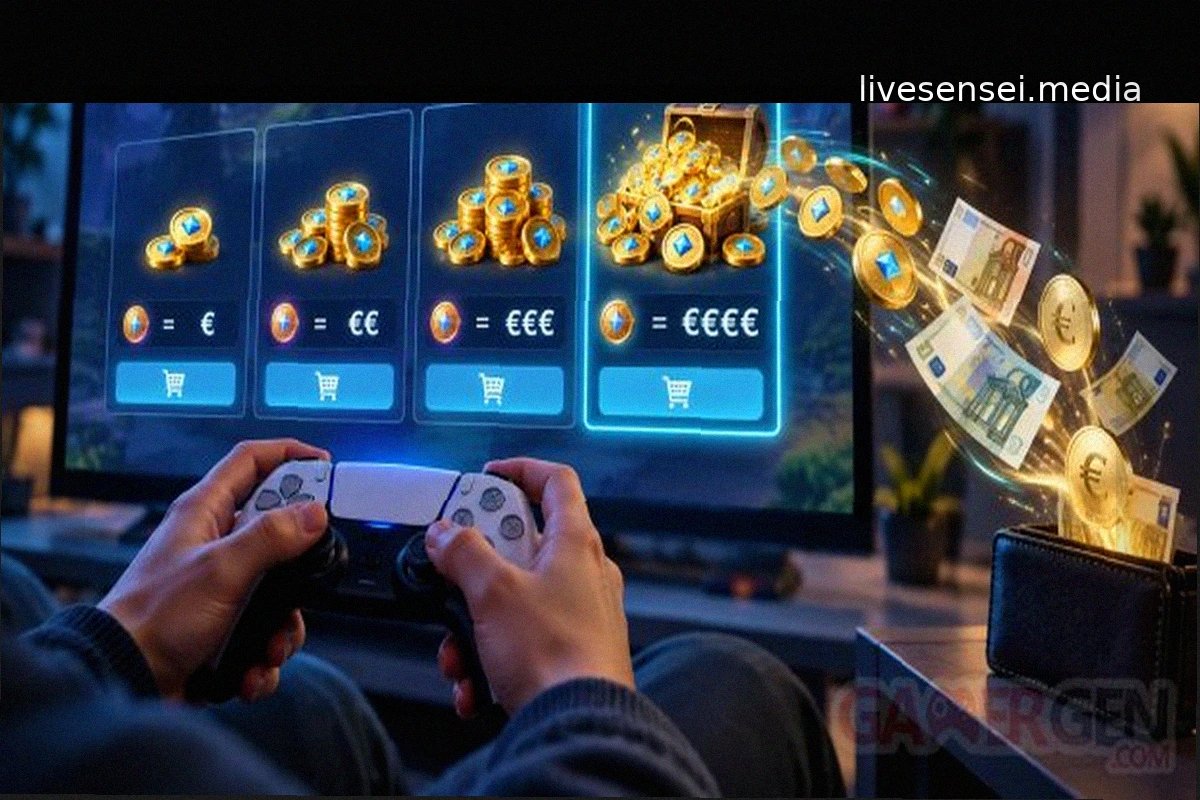
European Authorities Scrutinize Virtual Currencies in Nine Video Games
European consumer protection authorities are targeting nine video game companies regarding their virtual currency practices. The action involves a coordinated effort across the CPC Network, a body for consumer protection authority cooperation. The games under review include
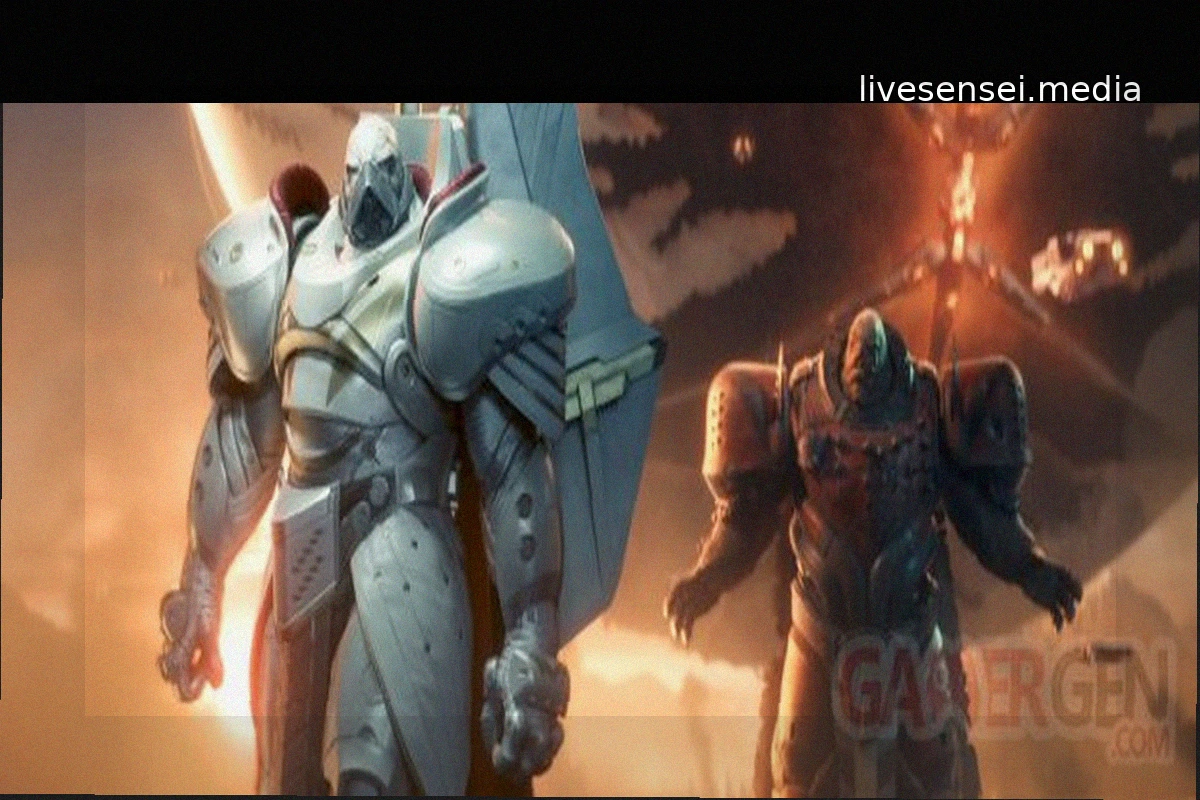
Bungie's New Leadership Details Vision for Destiny 2 and Marathon's Future
Despite recent challenges and layoffs, Bungie's new leadership has announced a significant shift in strategy, confirming that the Destiny franchise is far from over. The studio is committed to restoring Destiny 2 and continuing the development of Marathon. Following the release of Monument

Yu-Gi-Oh! TAG FORCE GX : Un remake enrichi du classique de la PSP refait surface
Konami a révélé une surprise inattendue lors d'un récent Nintendo Direct : Yu-Gi-Oh! TAG FORCE GX. Il s'agit d'un remake du jeu PSP de 2008, Yu-Gi-Oh! GX TAG FORCE 3, qui n'est jamais sorti en Amérique du Nord. Cette annonce s'inscrit dans la stratégie de Konami de capitaliser sur la diffusion